For Families

You don’t have to carry this alone anymore.

When someone you love is struggling with addiction, the whole weight of it lands on you. From the first call, it stops being yours alone to hold — and we help you figure out what comes next.

  • Confidential under PHIPA
  • 1,000+ supported across our team’s careers
  • We welcome family enquiries

We understand

We know how heavy this has become

Watching someone you love disappear into addiction is one of the hardest, loneliest, and at times frightening things a person can go through. You’ve probably been carrying it for a long time. You’ve tried everything you can think of, more than once, and you’re exhausted.

And underneath all of it, the questions that never switch off: Am I helping, or making it worse? What if I push too hard and lose them? Why can’t I fix this? You were never meant to have those answers. You’re not a therapist or an interventionist — you’re someone who loves them, doing a job that was never yours to carry alone. Addiction is a family disease; it affects everyone in arm’s reach, not just the person struggling.


It’s not on you anymore. You don’t need their permission. You don’t need to have it all figured out. And you don’t need to have reached some final breaking point to make a change. You just need to make one call — and we’ll help you carry the rest.

Your situation

Different relationships. Different kinds of hard.

If you’re a parent

It doesn’t matter how old they are — you’re still their parent, and that doesn’t switch off. Most parents who call us carry one of three things: guilt that they somehow caused this, trying to find a way back in after distance has crept in, or realizing that holding on too tightly isn’t helping either of them. We’ve seen all of it. None of it makes you a bad parent.

If you’re a partner

Partners see the most, and are often the last person their loved one wants to hear it from. We work with couples as well as individuals, and we can help you sort out what belongs to the addiction, what belongs to the relationship, and what you need for yourself either way.

If you’re a sibling or adult child

Siblings tend to carry this quietly, for a long time, at real cost to themselves. Adult children often arrive exhausted, watching a parent who never quite grew up. One of the most common things we work through is what’s actually yours to carry and what isn’t — a line that’s harder to find than it sounds. You don’t have to find it alone.

Services

Three ways to help them start

Recovery coaching

The easiest door in — no clinical label required.

  • Works even before they’re ready for therapy
  • Accountability between sessions

Easiest door in

If therapy feels like too big a step, coaching meets them where they are.

Addiction counselling

Focused, practical support for the addiction itself.

  • Substance use or behavioural, gambling included
  • Relapse prevention, daily structure

Best fit if…

The addiction is the most pressing thing right now, and they need practical traction on it.

Psychotherapy

Clinical care for what’s underneath.

  • Trauma, anxiety, depression
  • Registered psychotherapists, including a physician

Best fit if…

There’s real trauma or a mental health struggle alongside the addiction.

What happens when you call

No script, no pressure — just a real conversation

You call, or send us a message through the site, and we book a free 20-minute consultation. No screening, nothing to prepare — just a conversation. You tell us what’s going on, we listen, and we point you toward the right person and the right next step for your family. Nothing is booked unless you want it to be, and there’s no pressure at any point.

  • Free 20-minute consultation
  • Completely confidential
  • No pressure, no commitment
  • A real person who’s dealt with this

Support for you

Real help — for you, not only for them

You don’t have to wait until they’re ready to start getting help yourself. We work directly with parents, partners, siblings and adult children on the things that actually change the situation: what you can influence and what you can’t, how to talk to them without it ending in a fight, how to tell supporting apart from enabling, and how to stop this from consuming your whole life.

It helps you — and it helps them, too. Families who get their own support are far more effective when the person they love finally becomes ready. We can also help you think through how and when to raise it with them; timing and wording matter more than most families expect, and it’s easier once you’ve talked it through with someone first.

Why it’s easier to start than you’d think. Everything is virtual, so there’s no facility to visit, no waitlist for a bed, no time off work. Our rates sit below the Ontario average and we hold sliding-scale spots, so cost isn’t the reason you hold back.

  • Virtual — from home
  • No waitlist — usually within days
  • Lower rates + sliding scale

Questions families ask us

If you’re not sure where to even begin

These are the questions families bring us most. And if you’d rather just talk it through, that’s what the free call is for.

How do I help someone who won’t admit they have a problem?

Start by changing how you respond — not by forcing them to admit anything. Denial is part of the addiction, not stubbornness, and ultimatums tend to harden it. The approaches with the best evidence, like CRAFT, work by shifting the family’s behaviour. Families who change their own approach get their loved one into treatment far more often than those who wait for rock bottom.

Am I helping or enabling — and how do I tell the difference?

Support moves someone toward recovery; enabling shields them from the consequences of not moving. It’s rarely the action itself — it’s whether it makes carrying on easier or harder. It’s hard to see from the inside, and it’s one of the most common things we work through with families.

Can I get counselling for myself, even if they’re the one using?

Yes — and it’s often the best place to start. Living alongside someone’s addiction does real damage: anxiety, affected sleep, losing trust in your own judgement. That deserves support in its own right. It also tends to help them, because when your response changes, reality arrives sooner. But you’re allowed to get help simply because you’re struggling.

Will they find out I contacted you?

No. We won’t tell them, and we won’t contact them. What you share stays with us, exactly as it would if you were the client — because in that conversation, you are. Plenty of families call us long before their loved one is ready. That’s a completely normal way to start.

What if I’ve already tried everything?

Then you’re not failing — you’ve been carrying something that was never meant to be carried alone, without the tools a professional can bring. A different approach, and someone in your corner, often shifts what feels impossible right now. That’s exactly what the first call is for.

Why families trust us

A real, registered network — with a full team behind it

Credentialed and human

Registered Psychotherapists (CRPO) and Registered Social Service Workers (OCSWSSW), alongside lived-experience coaches — including staff who’ve walked this from the family side. Several of us are married with kids, so we get what’s at stake at home.

1,000+ supported across our careers

Between us, our team has worked with more than a thousand people over our careers — across Simcoe County and online throughout Ontario, and beyond. Coaching and clinical care in one place, so you never have to choose between someone who understands and someone who’s qualified.

Confidential under PHIPA

We don’t confirm to anyone that you — or your loved one — are a client. What you tell us stays with us, and we will never contact the person you’re calling about.

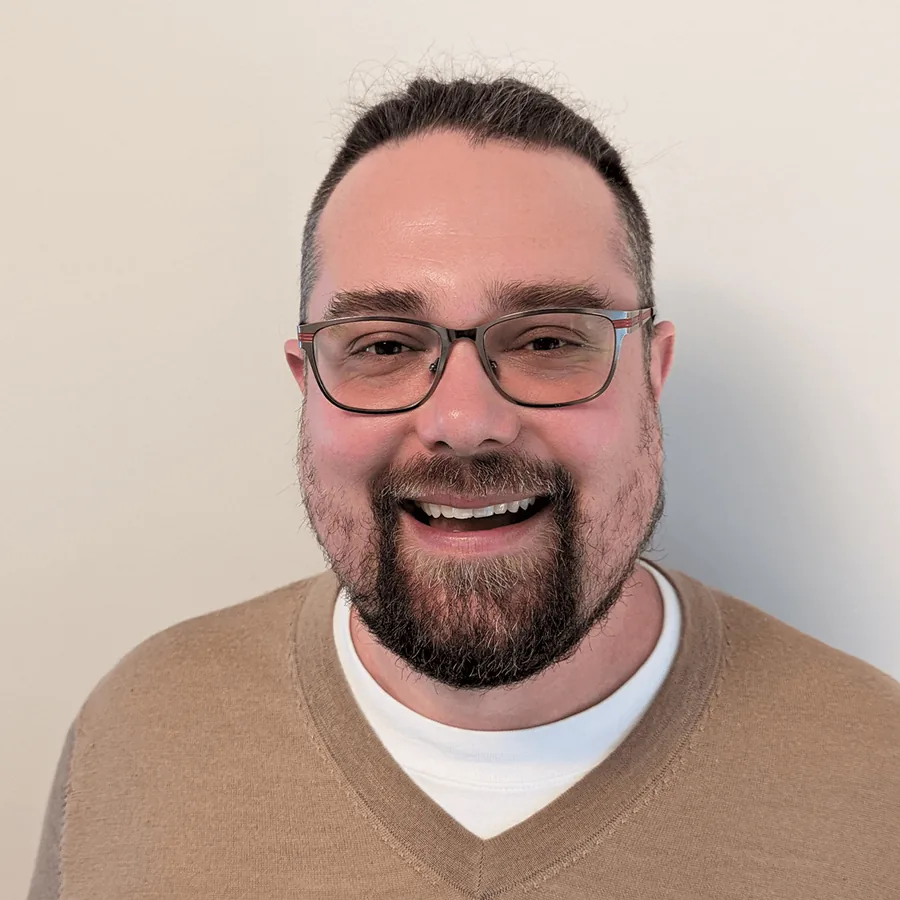
  • Lucas Wade

    Lucas Wade

    Registered Social Service Worker • Psychotherapist

    Executive Director • Founder • OCSWSSW

    Lived experience

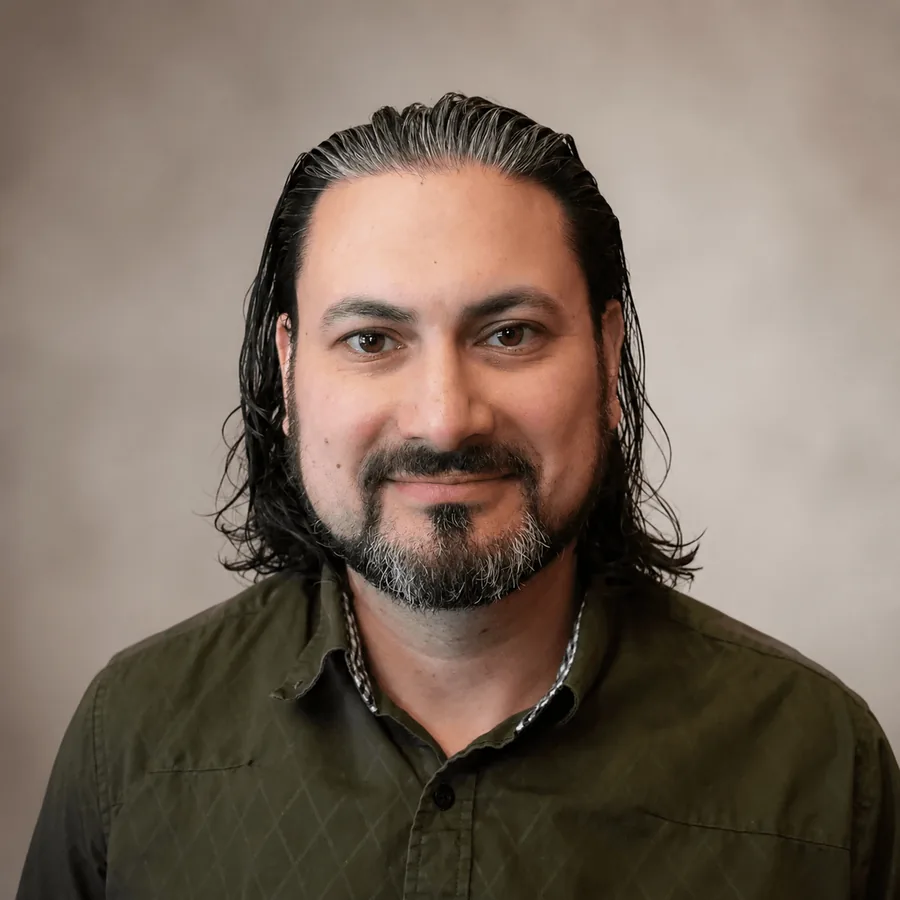
  • Dr. David Klein

    Dr. David Klein

    Family Physician & GP Psychotherapist

    M.D. • CCFP • CPSO

  • Tyler Walker

    Tyler Walker

    Registered Psychotherapist (Qualifying)

    CRPO

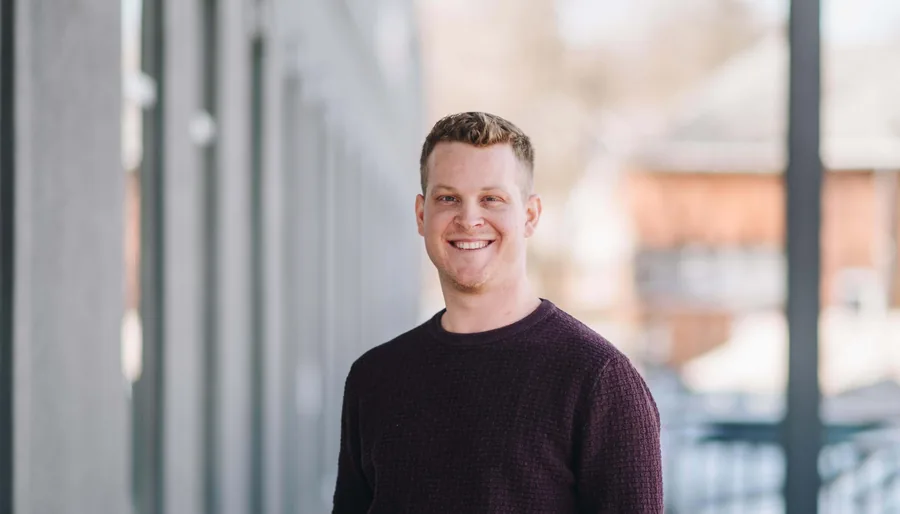
  • Jordan Smith

    Jordan Smith

    Addiction Counsellor • Recovery Coach

    Community Service Work

    Lived experience

What clients say

Real reviews — not anonymized, not summarized

  • During our work together over 6ish months Lucas had so much great and helpful advice that turned me in the right direction and helped me get a hold on my life. If you or anyone you know is struggling Spotlight Recovery is a excellent first step in the right direction!

    Joe G.  |  Simcoe County

    Go to review
  • Incredible insight! Spotlight Recovery has helped me so much on my journey of recovery. I’ve gained a lot of understanding of why I think and feel the way I do, and they have helped shine a light into the aspects of recovery I’ve not quite understood or been confused about. Keep up the great work guys, thank for all your help!

    John N.  |  North York, ON

    Go to review
  • Spotlight Recovery provided an exceptional experience! Lucas’s services are truly top-notch, and his expertise far exceeded my expectations. I wholeheartedly recommend him and his services.

    Tina B.  |  Cornerstone to Recovery  |  Newmarket, ON

    Go to review

If someone is in immediate danger, call 911 or go to your nearest emergency department. For a mental health crisis, call or text 9-8-8 — Canada’s Suicide Crisis Helpline.

Call us first. For yourself.

Just tell us what’s going on — we’ll help you figure out the rest. If you’d rather write first, send us a message and we’ll get back to you as soon as possible.

Confidential · Free consultation · We welcome family enquiries